
Blog
Understanding Hypertension and Diabetes During Pregnancy
Pregnancy is a beautiful journey, but it also comes with its share of challenges, especially for those who have hypertension or diabetes. These conditions can complicate pregnancy, posing risks to both the mother and the baby. It’s essential to understand how hypertension and diabetes can affect pregnancy and what steps can be taken to manage them effectively.
Hypertension During Pregnancy
High blood pressure, known as hypertension, frequently occurs in pregnant women, impacting a significant number of them. There are different types of hypertension that can occur during pregnancy, including gestational hypertension, chronic hypertension, and preeclampsia.
Gestational Hypertension: This type of hypertension develops after the 20th week of pregnancy. It usually resolves after giving birth, but it can increase the risk of developing high blood pressure later in life.
Chronic Hypertension: Some women have high blood pressure before becoming pregnant or develop it before the 20th week of pregnancy. This condition requires careful management throughout pregnancy to prevent complications.
Preeclampsia: Preeclampsia is a severe form of hypertension that can develop after the 20th week of pregnancy. It is characterized by high blood pressure and signs of damage to other organs, such as the liver and kidneys. Preeclampsia can be life-threatening if not treated promptly.
Diabetes During Pregnancy
Diabetes is another common condition that can affect pregnancy. There are two main types of diabetes that can occur during pregnancy: gestational diabetes and pre-existing diabetes.
Gestational Diabetes: Gestational diabetes develops during pregnancy and typically disappears after childbirth. It happens when the body can’t make enough insulin to handle the extra needs of pregnancy. If not managed properly, gestational diabetes can increase the risk of complications for both the mother and the baby.
Pre-existing Diabetes: Some women have diabetes before becoming pregnant, either type 1 or type 2 diabetes. Pre-existing diabetes requires careful management before and during pregnancy to ensure optimal outcomes for both the mother and the baby.
Risks and Complications
Both hypertension and diabetes during pregnancy can increase the risk of complications for both the mother and the baby. Some of the potential risks include:
- Preterm birth: Hypertension and diabetes can increase the risk of delivering the baby before 37 weeks of pregnancy.
- Macrosomia: Babies born to mothers with diabetes may be larger than average, increasing the risk of birth injuries and the need for a cesarean delivery.
- Preeclampsia: Hypertension during pregnancy can lead to preeclampsia, a serious condition that can be life-threatening if not treated promptly.
- Low blood sugar: Babies born to mothers with diabetes may have low blood sugar levels after birth, which can be dangerous if not treated promptly.
- Birth defects: Poorly controlled diabetes during pregnancy can increase the risk of birth defects in the baby.
Management and Treatment
Managing hypertension and diabetes during pregnancy requires careful monitoring and treatment to ensure the best possible outcomes for both the mother and the baby. Some of the key strategies for managing these conditions include:
- Regular prenatal care: It’s essential for women with hypertension or diabetes to receive regular prenatal care to monitor their condition and ensure that any complications are detected and treated promptly.
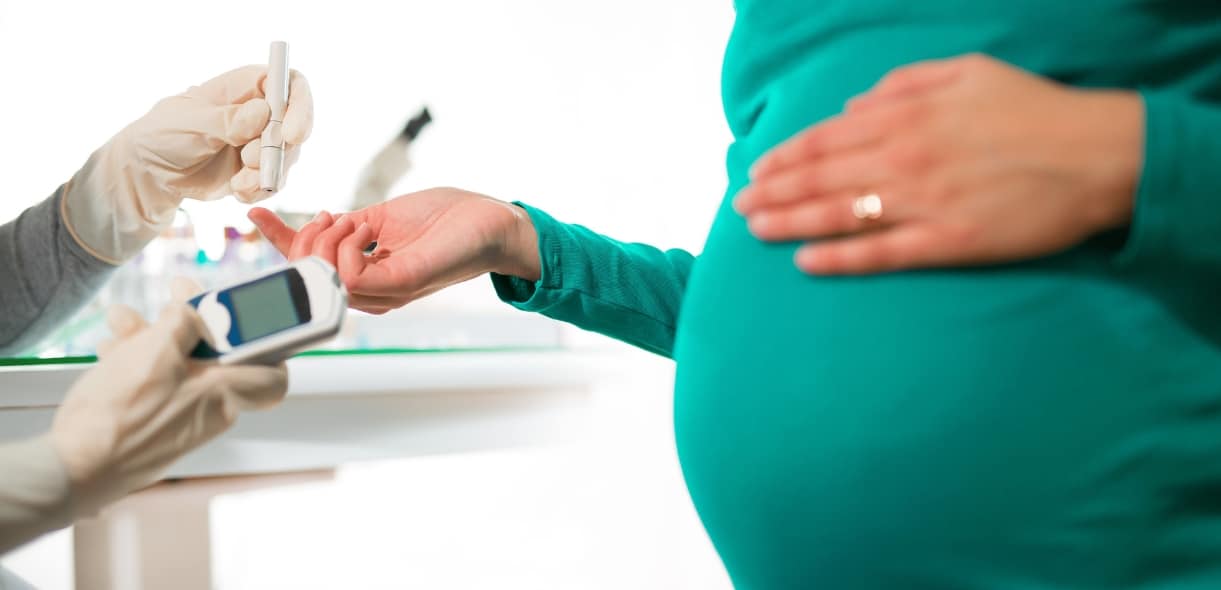
- Monitoring blood pressure and blood sugar levels: Women with hypertension or diabetes will need to monitor their blood pressure and blood sugar levels regularly to ensure that they are within the target range.
- Medications: In some cases, medications may be necessary to control blood pressure or blood sugar levels during pregnancy. It’s essential to work closely with a healthcare provider to find the right medications and dosage.
- Lifestyle changes: Making healthy lifestyle choices, such as eating a balanced diet, getting regular exercise, and avoiding smoking and alcohol, can help manage hypertension and diabetes during pregnancy.
Conclusion
Hypertension and diabetes during pregnancy can pose significant risks to both the mother and the baby, but with careful management and treatment, these risks can be minimized. It’s essential for women with hypertension or diabetes to receive regular prenatal care and work closely with their healthcare providers to ensure the best possible outcomes for themselves and their babies.
If you or someone you know is struggling with hypertension or diabetes during pregnancy, Arizona Primary Care Partners is here to help. Learn more about hypertension and diabetes treatment in Phoenix, AZ, by visiting our website or scheduling an appointment with one of our experienced healthcare providers. Your health and the health of your baby are our top most priorities.